
Build Your Skills for the Better Opportunities
Skillslane helps you to discover courses, industry-recognized certifications, and practical learning resources to build in-demand skills, advance your career, and stay ahead in a changing job market.
Resources to learn AI skillsRecommended platforms
Explore the best learning platforms for hands-on skills, guided courses, and real-world practice.
Recommended certifications
Find the most relevant certifications to validate your skills and advance your career.
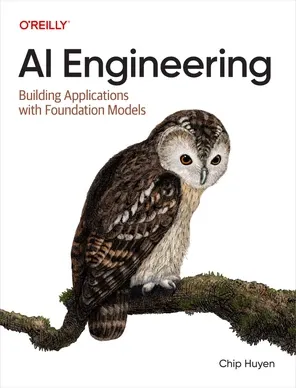
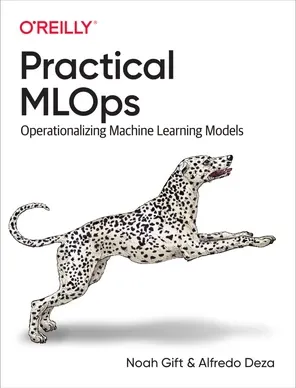
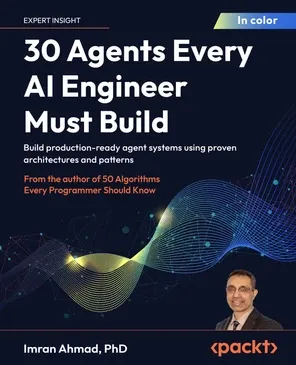
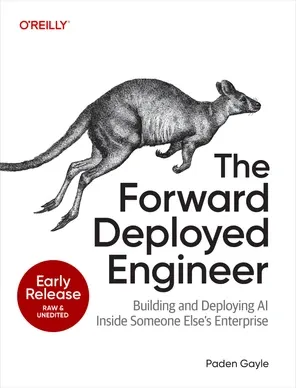
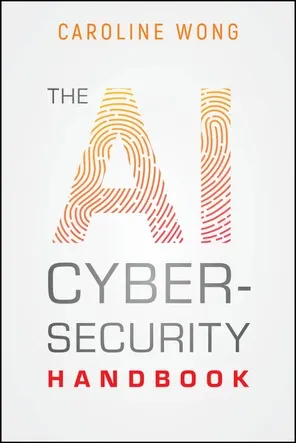
Book suggestions
Hand-picked books to help you think better, learn faster, and grow in your career.
High-paying tech jobs
Compare salary ranges and find a path that fits your goals.
Compare salaries by experience
Annual salary in US dollars (USD)
Source: Indeed, Glassdoor
Skills employers are looking for
Based on AI job postings
Source: foundit, ISC2, Get U Hired
Expert picks
Hand-picked reads on AI careers, course deals and the skills employers are hiring for, chosen to help you decide what to learn next.
Frequently Asked Questions
Quick answers about learning online, courses and certifications.
Can I learn AI without a computer science degree?
Yes. You don't need a computer science degree to start learning AI or working with many AI tools. Online courses, practice, and hands-on projects can give you a solid starting point.
What are the most in-demand AI skills in 2026?
Some of the most in-demand AI skills in 2026 include Generative AI, prompt engineering, machine learning, AI agents, AI automation, and AI security. The best skill to learn depends on the kind of role or career you want to build.
Can I learn AI for free?
Yes, many universities and AI companies offer free introductory courses, and platforms like Coursera let you audit many courses without paying. You may need to pay if you want certificates, graded assignments, or guided learning.
What are the best platforms to learn AI skills online?
There are plenty of good places to learn AI online, including Coursera, Udacity, Udemy, DataCamp, Skillshare, Educative.io, aced.io, edX, and DeepLearning.ai. Some are better for beginners, while others are more focused on hands-on or technical learning.
What jobs are growing fastest because of AI?
AI is creating demand for roles such as AI Engineers, AI Security Specialist, ML Engineer, MLOps Engineer, Data Scientist, Data Engineer, and GPU Engineer.
Do employers actually look for AI skills when hiring?
Yes, they do. AI skills are becoming a real factor in hiring, with many employers looking for candidates who know average 56% wage premium over similar jobs that didn't require those skills.
Are AI-related jobs still growing when the overall job market is slow?
Yes, PwC's data found that AI-related skills grew 7.5% year over year, even overall job postings fell by 11.3%. AI remains one of the areas where demand is still holding up.
Do AI skills lead to a higher salary?
The data says they can. According to PwC's 2025 global AI job Barometer, jobs that require AI skills had an average 56% wage premium over similar jobs that didn't require those skills.
How do I start learning AI as a complete beginner?
Start with a simple introduction to how AI works, then try out a few AI tools in your own work or daily life. From there, you can choose a path that interests you, such as AI productivity, and prompt engineering.
Can I learn AI without a computer science degree?
Yes. You don't need a computer science degree to start learning AI or working with many AI tools. Online courses, practice, and hands-on projects can give you a solid starting point.